Feuerwanzen in Your Garden: Pests or Just a Harmless Nuisance?
The arrival of warmer, sunnier days often brings with it a fascinating, if sometimes startling, sight in gardens across Europe: clusters of brightly colored, red and black insects known as Feuerwanzen, or firebugs. Their vibrant hues, reminiscent of danger, coupled with their tendency to gather in large, almost intimidating numbers, often trigger concern among gardeners. Is this an infestation? Are they harmful? And, most critically for many, is the
Feuerwanze giftig (poisonous)? Let's delve into the world of these common garden residents and uncover the truth behind their fiery appearance.
What Exactly Are Feuerwanzen? Understanding the Common Firebug
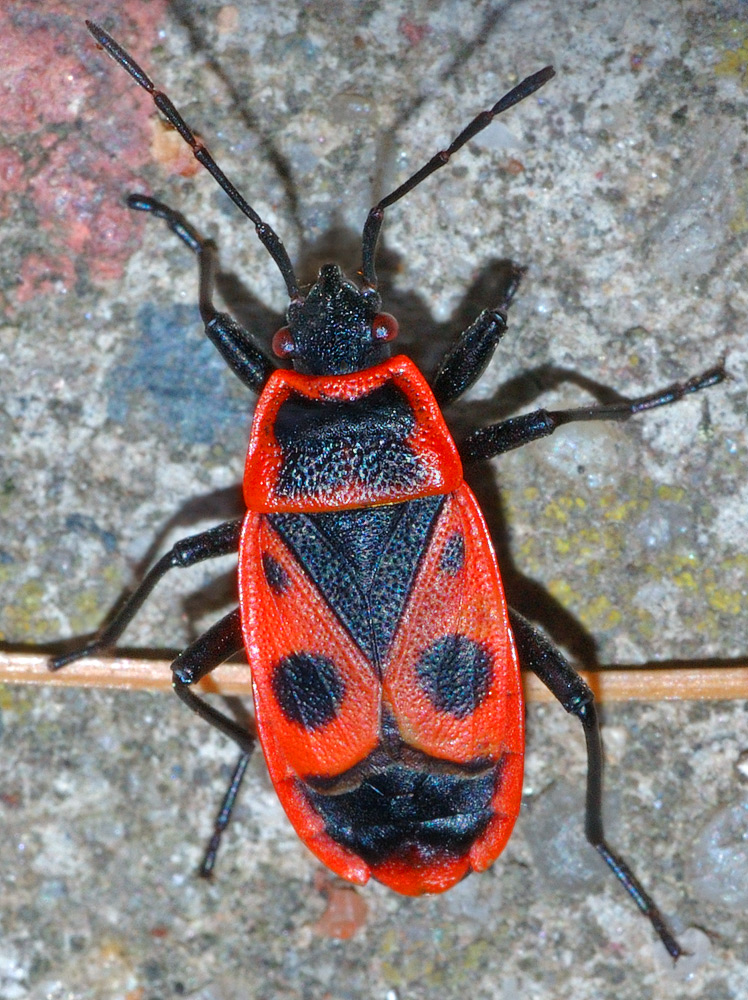
Feuerwanzen are a type of true bug belonging to the family *Pyrrhocoridae*. The most common species you'll encounter in your garden is the Common Firebug, scientifically known as *Pyrrhocoris apterus*. These insects are easily identifiable by their striking scarlet or reddish-orange bodies adorned with distinctive black markings, typically a pair of large spots on their wings and a triangular shape behind the head. While there are over 300 species of firebugs worldwide, *Pyrrhocoris apterus* is the one primarily responsible for those eye-catching aggregations in European gardens.
As temperatures rise after winter, Feuerwanzen emerge from their sheltered hibernating spots, eager to bask in the sun and begin foraging. They are highly social creatures, communicating through pheromones, which explains why you often find them congregated in groups – sometimes numbering in the hundreds – on tree trunks, walls, fences, or sunny patio stones. This gregarious behavior, while appearing alarming, is a natural part of their life cycle. Their primary goal is simply to soak up the sun's warmth and seek out food, making your garden an ideal, comfortable habitat.
Despite their bold appearance, Feuerwanzen are performing a clever trick. Their vibrant red and black colors are a classic example of aposematism – a warning signal in nature that alerts potential predators to their unpalatability or toxicity. However, in the case of the firebug, this is mostly a bluff. They back up this visual warning with a foul-ttasting secretion they release when threatened. This "stink" is enough to deter most predators, who quickly learn to associate the firebug's striking colors with a very unpleasant meal. This defense mechanism is shared with many other bug species, though the firebug's secretion is generally considered much less offensive to the human nose than that of its infamous relative, the stink bug.
Feuerwanze Giftig? Debunking the Poison Myth
One of the most pressing questions for concerned gardeners and parents is: "Is the
Feuerwanze giftig?" The answer, unequivocally, is **no**. Despite their alarming appearance and the defensive secretion they emit, Feuerwanzen are completely harmless to humans and pets.
Let's break down the common misconceptions:
* **Not Poisonous or Venomous:** Firebugs do not produce venom or any substance that can cause harm through a bite or sting. They do not bite people. Even if provoked to release their defensive secretion, it is not toxic.
* **Safe to Handle:** You can safely pick up a Feuerwanze without fear of injury. Children, often fascinated by their bright colors, can safely observe and even hold them. There's no risk of skin irritation or any other adverse reaction. This is a common relief for many, as the name "firebug" can evoke images of stinging insects or skin irritation, similar to fire jellyfish, which is not the case at all.
* **Mild Scent, Not a Health Risk:** While the defensive fluid can taste awful to predators, its odor to humans is usually very mild and not particularly bothersome, a stark contrast to the truly pungent smell of some other bug species. It poses no health risk.
It's crucial to distinguish between the firebug's appearance and its actual threat level. The bright red serves as a warning, but it's a warning against their bad taste, not against any poisonous qualities. This misconception is so prevalent that we dedicated an entire piece to clarifying it. For more detailed information, you can read our article:
Feuerwanze Giftig? Debunking the Red Bug Myth in Your Garden. You might also find further reassurance in understanding their general innocuousness by visiting
Are Feuerwanzen Dangerous? What to Know About These Harmless Insects.
Are Feuerwanzen Pests in Your Garden? The Impact on Plants
Beyond the "
Feuerwanze giftig" concern, the next question typically revolves around their impact on garden plants. With large numbers congregating, surely they must be causing damage? The good news here is also reassuring: Feuerwanzen are **not considered significant garden pests**. At worst, they are classified as "nuisances" or "Lästlinge" in German.
Here's why they pose little threat:
* **Dietary Habits:** Feuerwanzen are primarily sap-suckers and seed-eaters. They feed on fallen seeds and plant sap, using their proboscis to pierce plant tissues and extract fluids, often after dissolving the food with their saliva. While they do feed on plant sap, their consumption is generally minimal and does not cause noticeable damage to healthy plants, even in large numbers.
* **Beneficial Aspects:** Interestingly, firebugs also feed on the juices of dead and living animals, including small insects like mites and aphids. This aspect of their diet can actually make them somewhat beneficial, as they contribute to controlling minor pest populations in your garden. They also play a role in breaking down organic matter by consuming fallen seeds.
* **Not Destructive Like True Pests:** Unlike notorious garden destroyers such as box tree moths, slugs, or rampant aphid infestations, Feuerwanzen do not defoliate plants, kill seedlings, or spread plant diseases. They will not decimate your vegetable patch or ornamental beds.
* **Preference for Mallow Plants:** Firebugs do show a particular fondness for plants in the mallow family (Malvaceae), especially their seeds and fruits. If you notice a high concentration of them on hibiscus, hollyhocks, or other mallow varieties, this is likely why. Even then, the damage is typically cosmetic and minor.
So, while seeing hundreds of them might give you pause, rest assured that your prize-winning roses or carefully cultivated vegetables are safe from *Pyrrhocoris apterus*. Their presence is more a sign of a thriving, biodiverse garden ecosystem than an impending plant disaster.
Managing Feuerwanzen: When and How to Coexist
Given that Feuerwanzen are harmless and largely innocuous to your plants, extensive control measures are rarely necessary. Most gardeners choose to simply coexist with these fascinating creatures, appreciating their unique appearance and role in the garden's ecosystem. However, if their sheer numbers on a patio, sunny wall, or outdoor furniture become truly bothersome, there are gentle and non-toxic ways to encourage them to move on:
1. **Manual Removal:** For small to moderate aggregations, the easiest method is often manual removal.
* **Sweep Them Up:** A broom and dustpan are effective tools for gently sweeping them into a container. You can then release them in a less frequented part of your garden or property, away from living spaces.
* **Brush or Hose Them Off:** A soft brush can be used to dislodge them from surfaces. For larger groups, a gentle spray of water from a hose can also encourage them to disperse.
2. **Addressing Preferred Habitats (if truly necessary):** If you find their presence consistently bothersome, especially around mallow plants, you can take a targeted approach:
* **Remove Spent Mallow Seed Heads:** Since they are particularly attracted to the seeds and fruits of mallow plants, removing the faded flower heads and disposing of them in your organic waste bin (not your compost pile, as this might just relocate the problem) can make your garden less appealing to them. This reduces a primary food source.
* **Keep Patios Clean:** Regularly sweep up any fallen seeds or organic debris from patios and pathways, as these can also attract firebugs.
3. **Avoid Chemical Pesticides:** Given their harmless nature, using chemical pesticides against Feuerwanzen is strongly discouraged. It's unnecessary, can harm beneficial insects (including those that prey on actual garden pests), and disrupts the natural balance of your garden's ecosystem.
Remember, seeing Feuerwanzen in your garden is often a sign of a healthy environment. They are not invaders to be feared, but rather interesting, albeit sometimes numerous, neighbors. Learning to appreciate their unique beauty and understanding their harmless behavior can transform a moment of initial alarm into an opportunity for natural observation.
Conclusion
The vibrant, often clustered presence of Feuerwanzen in your garden can certainly catch the eye and, for the uninitiated, even cause a moment of alarm. However, the resounding truth is that these captivating insects are neither dangerous nor significantly damaging. The myth of the
Feuerwanze giftig is just that – a myth. They pose no threat to humans, pets, or your precious plants, and in some ways, even contribute positively to the garden's ecosystem by consuming small pests and fallen organic matter. By understanding their behavior and embracing their harmless nature, you can transform perceived pests into fascinating, colorful residents, enhancing the biodiversity and charm of your outdoor space. So next time you spot a group of firebugs sunbathing, take a moment to appreciate these unique and utterly benign creatures.