Feuerwanze Giftig? Debunking the Red Bug Myth in Your Garden
The sight of a swarm of bright red and black insects crawling across your patio, congregating on a wall, or even basking on your favorite garden plants can be startling. These striking creatures, commonly known as firebugs (
Pyrrhocoris apterus or Feuerwanzen in German), often trigger an immediate reaction of alarm. Their vibrant coloration, a classic warning sign in the insect world, coupled with their tendency to gather in large, almost intimidating numbers, leads many gardeners and homeowners to wonder: is the
Feuerwanze giftig (poisonous)? Are these "red bugs" dangerous to us, our children, pets, or even our beloved plants?
The good news is, despite their alarming appearance, firebugs are unequivocally harmless. This article aims to debunk the myths surrounding these fascinating insects, providing you with a comprehensive understanding of their behavior, biology, and why you needn't fear their presence in your garden.
The Striking Appearance: More Bluff Than Bite
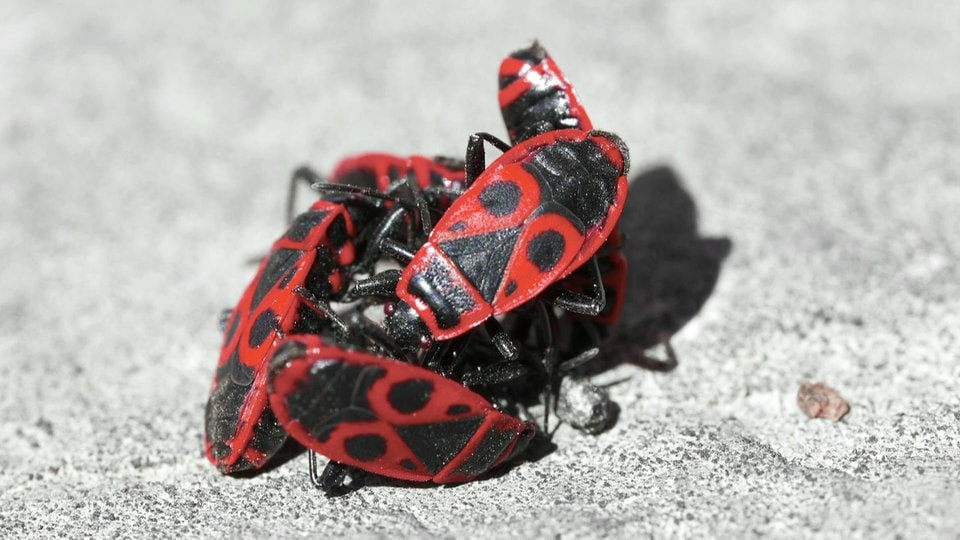
Firebugs are instantly recognizable by their distinct black and red markings. The most common species in Central Europe, *Pyrrhocoris apterus*, features a bright red body adorned with a prominent black spot on each wing case and often additional smaller black markings. This vivid coloration is a classic example of *aposematism* – a biological strategy where animals advertise their unpalatability or toxicity to potential predators through conspicuous signals. In nature, red and black often scream "danger!" or "don't eat me!".
However, in the case of the firebug, this visual warning is mostly a bluff. While they do possess a defense mechanism, it's far less potent than their appearance suggests. Firebugs tend to emerge from their winter hiding spots as soon as the weather warms and the sun appears, seeking warmth and food. You'll often find them in groups, sometimes numbering in the hundreds or even thousands. This communal behavior isn't just for warmth; firebugs communicate using pheromones, which draws them together into these dense aggregations, amplifying their visual "threat." To an unsuspecting bird or lizard, a mass of bright red insects might indeed appear daunting, prompting them to seek easier, less risky prey.
Are Feuerwanzen Poisonous (Giftig)? Unpacking the Truth About Their Secretion and Bites
Let's get straight to the central question: is the
Feuerwanze giftig? The definitive answer is a resounding no. Firebugs are neither venomous nor poisonous to humans, pets, or even other animals. This is a common misconception, fueled largely by their intimidating appearance and the general human tendency to associate bright colors with danger.
When a firebug feels threatened or is pestered, it may release a defensive secretion. This fluid is designed to deter predators, primarily by making the insect taste foul or unappetizing. It's a chemical defense mechanism, similar to that used by many other true bugs (Order Hemiptera), including the infamous stink bugs. However, for humans, this secretion is completely harmless. It doesn't cause skin irritation, allergic reactions, or any other adverse effects upon contact. While it might have a mild, unpleasant odor if you were to intentionally disturb a large number of them and sniff closely, it's nowhere near as pungent or offensive as the secretions produced by true stink bugs. Most people wouldn't even notice it.
Furthermore, firebugs do not bite or sting. They possess a proboscis, a straw-like mouthpart designed for sucking fluids (more on their diet below), but this is not capable of piercing human skin or delivering a painful sting. Therefore, there's absolutely no need to worry if children pick them up to examine them more closely, or if pets accidentally interact with them. They pose no direct physical threat. If you're still concerned about various garden insects, you might find more peace of mind by understanding other common species; for a broader perspective, consider checking out articles like
Are Feuerwanzen Dangerous? What to Know About These Harmless Insects, which further elaborates on their benign nature.
Feuerwanzen in Your Garden: More Nuisance Than Pest
Beyond concerns about toxicity, many gardeners fret about the potential damage firebugs might inflict on their plants. Given their propensity to gather in large numbers on plant stems and leaves, it's natural to assume they might be voracious pests. However, here again, the fear is largely unfounded.
Firebugs are generally considered "Lästlinge" (nuisances) rather than "Schädlinge" (pests). This distinction is crucial: nuisances are annoying but cause no significant harm, whereas pests actively damage plants or property. Firebugs feed primarily on fallen seeds, particularly those from plants in the mallow family (Malvaceae), such as lime trees, linden, hibiscus, and mallow itself. They also feed on plant saps, but usually from decaying plants or parts, and are known to consume the fluids from dead insects, mites, and aphids. This scavenger-like diet means they rarely inflict noticeable damage on healthy living plants.
Their feeding process involves injecting saliva into their food source to break down tissues, and then sucking up the liquefied nutrients with their proboscis. While they might occasionally tap into a healthy plant's sap, the impact is negligible, even when large numbers are present. Unlike devastating pests such as box tree moths, slugs, or aphids, firebugs do not defoliate plants, destroy fruits, or stunt growth in any significant way. So, if you see them sunbathing on your prized roses or gathering at the base of your vegetables, rest assured your plants are almost certainly safe. For a deeper dive into their impact on your green space, you might find this article insightful:
Feuerwanzen in Your Garden: Pests or Just a Harmless Nuisance?
Managing Feuerwanzen: Simple, Eco-Friendly Approaches
Given that firebugs are harmless and pose no threat to your garden plants, active pest control measures are almost entirely unnecessary. In fact, aggressive chemical treatments would be detrimental, harming beneficial insects and disrupting the delicate garden ecosystem. However, even if they aren't harmful, their sheer numbers can sometimes become a nuisance, especially when they colonize outdoor living spaces like patios, window sills, or garden furniture.
If their presence becomes genuinely bothersome, there are simple, eco-friendly ways to encourage them to move along:
1. **Manual Removal:** For small to moderate gatherings, a brush and dustpan are your best friends. Gently sweep them up and relocate them to a less conspicuous area of the garden, perhaps near some fallen leaves or under a hedge.
2. **Water Spray:** A gentle spray from a garden hose can dislodge them from walls or plants. This won't harm them but will encourage them to disperse.
3. **Habitat Management (Mallow Seeds):** Since their favorite food source is often fallen mallow seeds, removing these can reduce their appeal to firebugs. If you have mallow plants, consider tidying up spent flower heads and seed pods. Dispose of these in your organic waste bin, rather than composting them, as composting would merely relocate the problem to your compost pile. Keeping garden beds tidy, especially around mallow plants, can help minimize their congregating spots.
4. **Acceptance and Observation:** Often, the easiest and most sustainable approach is to simply accept their presence. They are a natural part of the garden ecosystem, emerging seasonally. Their aggregations are usually temporary, and they will eventually disperse as conditions change or food sources are depleted. Watching them can even be an interesting exercise in observing natural behavior!
Conclusion
The question "
Feuerwanze giftig?" can now be confidently answered with a clear negative. These vibrant red and black insects, so often a cause for alarm, are in fact entirely harmless to humans, pets, and garden plants. Their striking appearance and defensive secretions are part of a clever bluff that works well against predators, but they pose no threat to us.
So, the next time you encounter a gathering of firebugs in your garden, take a moment to appreciate these intriguing members of the insect world. They are not pests to be eradicated, but rather harmless neighbors, playing their small part in the ecosystem. With a little understanding, the initial shock of their appearance can transform into a quiet fascination, allowing you to coexist peacefully with these fascinating red bugs.